Spiritual Awakening Anxiety—Ground First, Then Reflect
Anxiety during an experience you understand as spiritual awakening deserves care, not dismissal or automatic spiritual interpretation. This trauma-informed guide explores possible causes, offers a symptom triage table and practical grounding framework, and explains when professional or urgent support is needed.

Spiritual Awakening Anxiety: Causes, Grounding, and When to Seek Help
Spiritual awakening anxiety is an informal, nonclinical phrase for fear, bodily alarm, or persistent worry during a change in meaning or identity. It deserves grounding and careful assessment, not an automatic spiritual explanation. You might feel more aware of your inner life while struggling to sleep, shop, or answer a familiar message. The experience can feel meaningful and frightening at once.
Online spiritual advice can turn ordinary distress into a test of surrender, which may delay useful care. However, you do not need to settle what an experience means before protecting your sleep, health, and safety. Spiritual reflection and psychological support can share the same room. Neither requires you to dismiss the other.
Why can anxiety during spiritual awakening make awareness feel unsafe?
Spiritual awakening anxiety can involve racing thoughts, muscle tension, digestive discomfort, poor sleep, and fear about who you are becoming. Changes in belief or identity can unsettle familiar sources of safety. However, those symptoms cannot establish a spiritual cause. Physical illness, medication effects, trauma, or an anxiety disorder may also contribute.
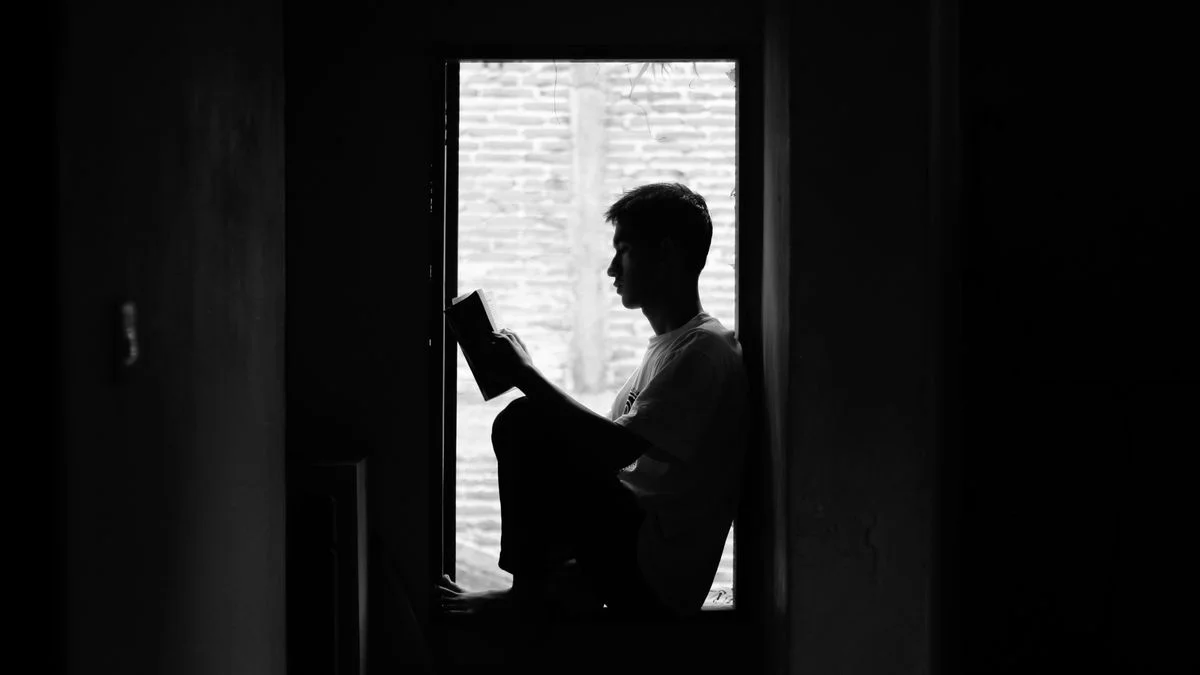
Consider an illustrative situation: after an intense retreat, someone returns to work and finds ordinary conversation strangely difficult. Their chest tightens during meetings, and they spend 2 hours each evening reading about awakening symptoms. The reading briefly reassures them, yet it also keeps their attention fixed on danger. As a result, meaning-making and threat-monitoring begin feeding each other.
How does anxiety during spiritual awakening affect body, mind, and identity?
In the body, anxiety may appear as trembling, sweating, nausea, a pounding heart, or a clenched jaw. In the mind, it may produce repetitive questions, poor focus, and the urge to check every sensation. Meanwhile, at the identity level, familiar roles can feel less convincing. You may wonder whether your work, relationships, or beliefs still belong to you.
Physical fatigue, brain fog, and sensory overload deserve attention without becoming proof of transformation. For instance, a crowded supermarket may feel unbearable after several nights of broken sleep. Exhaustion can make noise harder to tolerate and decisions harder to make. Therefore, new or persistent symptoms warrant medical assessment rather than a spiritual label alone.
Spiritual awakening anxiety can also make ordinary choices feel unusually high-stakes, though uncertainty alone cannot explain every symptom. You might postpone a conversation because you fear that one wrong word will undo an important insight. Instead, keep the next decision small and reversible. When fear persists or disrupts daily tasks, seek professional support rather than demanding certainty from yourself.
Why can expanded awareness coincide with anxiety?
Consciousness expansion is a spiritual phrase for a felt widening of awareness, connection, or perspective. The phrase describes an interpretation, not a measurable diagnosis. Noticing more thoughts, sensations, or relationship patterns can increase uncertainty. Meanwhile, losing familiar explanations may leave you without the mental shortcuts that once made life feel predictable.
Attention can also become a checking habit. You notice your heartbeat, interpret it as a major energetic event, and scan again for confirmation. Because anxiety itself can increase heart rate, the cycle may strengthen without any new danger. Instead, try recording one brief observation rather than checking repeatedly for the next 30 minutes.
Past experiences may also shape what uncertainty feels like. Someone who learned that change brings conflict may react strongly when old beliefs loosen. That response does not prove hidden trauma, and you need not search for memories. A trauma-informed approach offers choice, manageable pacing, and permission to stop rather than demanding deeper exposure.
Could burnout, poor sleep, or substances explain the symptoms?
Awakening burnout is an informal description of exhaustion linked to intense spiritual effort or prolonged inner work. Unlike a diagnosis, the phrase cannot explain the cause of fatigue. Long meditation sessions, skipped meals, late-night reading, and work stress can all reduce recovery time. Therefore, compare your actual routine with your interpretation of it.
For example, 5 hours of sleep followed by coffee, fasting, and a demanding workday creates several ordinary sources of strain. More spiritual practice may not address those conditions. Additionally, caffeine, cannabis, psychedelics, and some medicines can contribute to anxiety or altered perception. Tell a clinician what you have taken, including supplements, without stopping prescribed treatment abruptly.
A useful first distinction concerns timing: did symptoms follow a medication change, illness, retreat, substance use, or a sharp loss of sleep? Write down the sequence in plain language. Even a 3-day record can make an appointment more useful. However, the record supports assessment; it does not let you diagnose yourself.
Symptom Triage: Grounding, Professional Support, or Urgent Help
| Symptoms and concrete examples | Impact on safety and daily functioning | Recommended next step | When to seek help |
|---|---|---|---|
| Brief worry; mild tension; settling with rest | Meals, sleep, work, and safety intact | Gentle grounding; routine; trusted contact | Persistent, worsening, or recurring symptoms |
| Repeated panic; avoidance; ongoing brain fog | Missed work; reduced eating; disrupted sleep | Therapist or primary care assessment | Prompt appointment; sooner with rapid decline |
| Persistent unreality; distressing detachment | Difficulty concentrating or completing tasks | Clinical assessment; reduced intensive practice | Promptly; urgent with confusion or unsafe behavior |
| Very little sleep with rising energy; racing speech; risky spending | Impaired judgment; escalating activity | Urgent medical or mental health assessment | Same day |
| Threatening voices; severe confusion; beliefs driving dangerous actions | Uncertain safety; impaired reality testing | Emergency or crisis assessment; trusted companion | Immediately |
| Suicidal intent; overdose; inability to stay safe | Immediate danger | Local emergency services or emergency department | Immediately |
| New severe chest pain; fainting; severe breathing difficulty | Possible medical emergency | Emergency medical assessment | Immediately |
Spiritual awakening anxiety needs care that matches safety and daily functioning, not the spiritual importance of the experience. Mild distress may respond to rest and support, while impaired judgment or immediate danger needs urgent assessment. The table offers orientation rather than a diagnostic test. No single symptom can reliably identify its cause.
How can you distinguish a spiritual crisis from a mental health crisis?
A spiritual crisis involves distress around meaning, belief, connection, or identity. A mental health crisis involves severe distress or changes that threaten safety or seriously impair functioning. Both can happen together. Consequently, spiritual content does not rule out a mental health condition, and a clinical condition does not erase personal meaning.
Look at observable changes over the last 24 to 48 hours rather than debating whether an experience feels sacred. Can you eat, drink, sleep, and hold a conversation? Can you consider another explanation and delay major decisions? Those questions help describe your situation, but they cannot replace assessment when symptoms escalate.
Someone may describe a vivid insight while remaining rested, flexible, and able to manage daily life. By contrast, another person may describe a similar insight while staying awake, driving recklessly, or feeling commanded to act. The content overlaps, yet the care needs differ. New voices, marked confusion, or rapidly changing behavior need prompt professional attention.
Who should help with anxiety during awakening?
A therapist can assess anxiety, panic, trauma-related distress, and coping patterns. A doctor can investigate physical symptoms, medication effects, sleep changes, and possible medical causes. Meanwhile, a spiritual mentor can discuss meaning within clear limits. Trusted friends or community members can offer meals, company, transport, and help arranging appointments.
Choose the support that fits the task. When spiritual awakening anxiety repeatedly interrupts work or sleep, clinical care fits better than a reflective assessment or spiritual mentoring alone. When safety and functioning remain stable, a careful mentor may help you explore beliefs. In addition, support does not need to come from one person.
Do not stay alone: Suicidal intent, dangerous commands, or an inability to stay safe require immediate help through local emergency services or an emergency department. Ask a trusted person to stay with you while help is arranged.
Do not drive yourself when you feel severely confused, intoxicated, faint, or unable to judge risk. Where possible, tell a helper what changed, what you took, and when you last slept. People supporting you should speak calmly and avoid arguing about spiritual beliefs. Instead, immediate care should focus on safety, orientation, and medical needs.
What should you do when awakening anxiety rises?
When spiritual awakening anxiety rises, reduce immediate demands and reconnect with ordinary surroundings before interpreting the experience. Grounding means bringing attention toward present sensory information and manageable action. The aim is not to force calm or certainty. Rather, the aim is to restore enough choice to eat, rest, communicate, and decide what support you need.

- Pause meditation, breathwork, or spiritual content that increases your distress.
- Name your location, the date, and three objects you can see.
- Feel a chair or floor supporting your body without forcing inward attention.
- Let your breathing stay gentle and natural for one minute.
- Drink water and eat a familiar meal or snack if you have missed food.
- Contact a trusted person and describe one concrete symptom and one immediate need.
Choose only the steps that feel tolerable. For example, someone who feels trapped by body scanning may do better describing a blue cup across the room. Another person may prefer walking slowly beside a trusted friend. Choice matters because grounding should increase contact and agency, not become another task you can fail.
Which grounding practices help spiritual awakening anxiety?
Somatic anchoring means using a manageable physical sensation to orient attention in the present. For instance, pressing your feet gently into the floor or noticing the weight of a blanket can provide an anchor. Start with 20 to 30 seconds, then look around the room. Stop if the practice increases distress, dizziness, or detachment.
Breath practices need the same flexibility. Gentle breathing may ease arousal, but large forced breaths or rapid breathing can increase dizziness and tingling. Avoid breath holds when you already feel panicked. Alternatively, a comfortable, slightly longer exhale may help; others settle better through movement or conversation without monitoring breath.
Earthing refers to direct contact with the ground, often through bare feet outdoors. A quiet outdoor setting may offer useful sensory contact, but electrical healing claims do not establish treatment for anxiety. Shoes are fine, especially on unsafe surfaces. Furthermore, you can ground through sight, sound, and touch without buying a sacred object.
For a fuller explanation of settling heightened sensitivity through ordinary routines, focus on practices you can repeat without strain. A technique does not become better because it feels intense. Useful grounding leaves you more able to engage with the day. Accordingly, measure that change rather than chasing a special state.
A powerful inner experience does not have to become an emergency of interpretation. Care for the person having the experience before deciding what the experience means.
How do food, sleep, and digital fasting support stability?
Regular meals and adequate fluids support basic functioning, though no food can certify spiritual safety or cure anxiety. Choose familiar foods you tolerate, including sources of carbohydrate, protein, and fat. For example, a bowl of rice with beans and vegetables can serve that purpose. Avoid restrictive cleansing plans when you already feel depleted.
Sleep protection often matters more than adding another practice. Adults commonly need 7 to 9 hours of sleep, although individual needs vary. Keep a consistent waking time and reduce stimulating activity before bed. Also, seek prompt assessment for persistent insomnia, especially when little sleep comes with unusual energy, agitation, or impulsive behavior.
Digital fasting means taking a planned break from selected digital content. Try 30 minutes without symptom videos before bed rather than disappearing from every source of support. Still, keep access to helpful people and emergency contacts. The goal is less stimulation, not isolation or a rule that makes you ashamed of using your phone.
Ten-minute reset: An illustrative routine combines 2 minutes of orienting, 3 minutes of gentle walking, and 5 minutes for water and a snack, totaling 10 minutes. Treat the timing as a flexible container, not a treatment dose.
What can a seven-day plan for awakening anxiety look like?
A seven-day plan for spiritual awakening anxiety can organize care without promising recovery in a week. Use one small focus each day while keeping meals, sleep, and human contact steady. The schedule should become lighter if you feel worse. Nevertheless, urgent symptoms override the plan and call for assessment rather than another day of self-help.
- Day 1: Reduce stimulating practices and identify a person you can contact.
- Day 2: Protect a regular waking time and make space for familiar meals.
- Day 3: Test one external anchor for 30 seconds and notice your response.
- Day 4: Take a short walk or rest outdoors where you feel safe.
- Day 5: Replace one period of symptom searching with an ordinary shared activity.
- Day 6: Review changes in sleep, eating, concentration, and daily tasks.
- Day 7: Decide whether to continue gently or arrange professional support.
During each day, place care around existing routines. After breakfast, check what you need for the morning rather than interpreting the entire week. At midday, notice whether you have eaten and moved. Later, in the evening, record a few facts about functioning, then set the record aside instead of repeatedly reviewing it.
How can you track stability without turning it into another test?
Keep a short checklist on paper: meals, fluids, sleep, contact, tolerable movement, and any worsening symptoms. Check it once daily, not every time fear rises. A 2-minute review gives structure without inviting constant scanning. In short, you are looking for a direction of change, not a perfect score or proof of awakening.
For instance, an ordinary improvement might mean finishing lunch, answering a message, and resting without another hour of searching. Anxiety may still be present. In contrast, missing meals and losing sleep despite repeated grounding suggest that self-help is not enough. Bring those observations to a professional rather than blaming your effort.
When reviewing spiritual awakening anxiety, describe what you could do rather than grading the depth of your experience. Perhaps you attended an appointment despite feeling afraid, or asked someone to help prepare dinner. Those details also reveal support needs that a symptom score may miss. If daily tasks keep becoming harder, share the record with a clinician rather than increasing spiritual effort.
How can spiritual language support awakening without excusing anxiety?
Spiritual language can help you describe meaning, but it should not determine whether anxiety deserves care. Terms such as ego dissolution and emotional purging describe experiences or interpretations, not medical explanations. Therefore, use them alongside observations about sleep, safety, and functioning. A helpful interpretation leaves room for uncertainty, treatment, and the freedom to stop.
Where do ego dissolution and the Dark Night of the Soul fit?
Ego dissolution describes a temporary weakening of the usual sense of a separate self. People may report less attachment to their personal story or altered boundaries between self and surroundings. Such experiences can arise in different settings, including meditation and substance use. Nevertheless, they do not establish psychological health, spiritual attainment, or a need for more intensity.
Emotional purging is a spiritual phrase for a surge or release of feeling, such as crying after a retreat. Tears can carry meaning without proving that stored trauma has left the body. Repeated catharsis may also exhaust you. Accordingly, notice whether you recover afterward or remain unable to sleep, eat, and manage the day.
The Dark Night of the Soul originates in Christian mysticism. There, it refers to spiritual purification that may involve a felt absence of God. People also use the phrase more broadly for spiritual distress. Depression can also involve emptiness, low mood, reduced pleasure, and changes in sleep or appetite. Exploring the overlap between spiritual despair and depression can clarify the language, but an essay cannot decide your diagnosis. Persistent symptoms need assessment.
When does an interpretation of awakening anxiety become spiritual bypassing?
Spiritual bypassing means using spiritual ideas to avoid emotional, relational, or practical needs. Telling yourself that fear reflects a low vibration may silence a legitimate request for rest. Similarly, calling every symptom an energy download can delay medical care. An interpretation becomes unsafe when it blocks ordinary questions or makes help feel forbidden.
Energy downloads and high-vibrational shifts are spiritual descriptions, not established medical causes of racing thoughts, tingling, or insomnia. Still, you can respect the meaning those phrases hold while describing symptoms plainly to a clinician. Say what happened, how long it lasted, and what changed afterward. Clear descriptions improve communication without requiring you to abandon your beliefs.
Likewise, surrender need not mean tolerating frightening symptoms without support. You can surrender the demand for a final explanation while booking an appointment or pausing a retreat. Integration means bringing an experience into daily choices and relationships. A grounded measure of integration is whether your life gains flexibility, not whether sensations become stronger.
Can intensive practices or ceremonial substances worsen anxiety?
Some practices and substances can intensify arousal or alter perception, especially alongside sleep loss. Amazonian medicines is a broad phrase for substances used in diverse Indigenous and contemporary ceremonial settings. Nevertheless, the label does not establish safety. Hapé often contains tobacco and nicotine, while Mapacho commonly refers to a potent tobacco. Nicotine can increase heart rate and anxiety.
Sananga refers to plant-based eye preparations that can cause marked irritation and carry eye-injury risks. None of these products is necessary for grounding. When you feel anxious or detached, avoid adding substances or escalating ceremonies to force a breakthrough. Additionally, seek medical advice about adverse effects, and disclose what you used as accurately as possible.
Careful spiritual support welcomes questions about consent, ingredients, boundaries, and emergency arrangements. A mentor who shames medication, discourages outside care, or claims every adverse reaction proves progress creates a serious concern. Even so, you may leave a practice without winning an argument about its meaning. Your right to stop does not require spiritual approval.
How does The In-Between Self support reflection after anxiety settles?
The In-Between Self offers educational language, assessments, and reflective guidance for changes in identity, not diagnosis or crisis care. These resources fit best when you can approach them with some steadiness and choice. During acute distress, clinical support or practical company may serve you better. Rather than intensifying self-monitoring, reflection should help organize experience.

Identity transition means a change in how you understand yourself, your roles, or your place in relationships. Someone may stop identifying as the dependable peacemaker yet feel unsure how to express disagreement. The immediate task need not involve discovering a final self. Rather, it may involve one respectful boundary and enough rest to tolerate the discomfort.
How can assessment and archetypes orient awakening-related anxiety?
An archetype is a symbolic pattern used to explore experience, not a fixed personality or clinical category. A reflective assessment can suggest questions about your current patterns without proving a stage of development. Even so, keep any description provisional. When a label increases fear or becomes something you must live up to, set it aside.
Reflection on conditioning, identity change, and integration can offer a way to think about your experience. It does not provide a required sequence or measured timeline. You may recognize several themes at once. Equally, anxiety does not prove that your identity is dissolving, and calm does not certify completion.
Conditioning refers to learned expectations and responses that can shape present choices. You may, for example, assume that saying no makes you selfish because approval once depended on compliance. Discernment begins when you examine that assumption against current circumstances. A conscious choice might mean declining one invitation while keeping a valued friendship intact.
How can reflection coexist with treatment and community?
Keep reflective questions close to daily life: what happened before the anxiety, what helped, and what support remains missing? Spend 5 minutes on those questions rather than trying to decode every sensation. When writing becomes repetitive or distressing, stop. Later, you can return with a therapist or another qualified source of support.
Discussing when inner work needs professional support can help you separate curiosity from pressure. Friends do not need to share your spiritual explanation to offer care. You might say that your beliefs are changing and your sleep has suffered. Then ask for something concrete, such as a quiet meal together.
Long-term stabilization rests on repeatable care, flexible interpretations, and relationships that permit honest feedback. Neuroplasticity means the nervous system can change through experience, but it does not promise a rapid reset. Likewise, repetition matters without making symptoms your fault. Review what supports daily life over several weeks, with professional guidance when needed.
Keep meaning open and daily life supported
Spiritual awakening anxiety does not require a choice between honoring meaning and taking symptoms seriously. You can protect ordinary needs while leaving larger questions unresolved. The most useful interpretation allows you to sleep, accept feedback, seek treatment, and remain connected. Conversely, any explanation that makes those actions feel like failure deserves scrutiny.
A steadier crossing may look unremarkable: fewer late-night searches, a meal with someone kind, or an appointment you no longer postpone. Those actions do not diminish a meaningful experience. Instead, they give you more room to respond rather than react. Care can remain concrete even while your understanding stays unfinished.
I favor interpretations that leave a person free to rest, disagree, and ask for help. For The In-Between Self, I would keep an assessment secondary to a meal, rest, or a needed clinical conversation. Ultimately, a framework should carry less weight than the person using it.
FAQ
These questions bring together the main safety and grounding guidance for spiritual awakening anxiety. Above all, let safety and daily functioning guide your next step, even while the meaning remains uncertain.
Is anxiety a common part of spiritual awakening, or is something seriously wrong?
Anxiety can accompany experiences people understand as spiritual awakening. Still, there is no reliable prevalence figure for this broad, nonclinical category. Anxiety alone does not prove something dangerous or spiritually significant. Consider severity, duration, sleep, and daily functioning. Persistent, worsening, or disabling symptoms deserve professional assessment, even when the experience also feels meaningful.
How can someone tell the difference between spiritual crisis and mental health crisis?
Look at safety, functioning, and the ability to consider other explanations rather than spiritual content alone. A crisis of meaning and a mental health condition can occur together. Severe confusion, dangerous behavior, suicidal intent, or voices directing harmful action require urgent help. Ultimately, you do not need to decide the correct label before seeking care.
What grounding practices help when the nervous system feels overstimulated?
Try external orientation, gentle movement, familiar food, water, lower sensory input, and contact with a trusted person. Alternatively, name three visible objects or feel the chair supporting you for 30 seconds. Keep breathing comfortable rather than deep or forced. Stop practices that increase panic or detachment, and seek assessment when grounding does not restore manageable functioning.
When should a person seek help from a therapist, doctor, mentor, or trusted community?
Seek a therapist or doctor when symptoms persist, disrupt daily life, or involve new physical or perceptual changes. Use urgent services for immediate danger, severe confusion, or rapidly escalating symptoms. Mentors can help with meaning, while trusted community can offer company and practical care. Neither should replace clinical assessment when safety or functioning declines.
How long does spiritual awakening anxiety last?
There is no established timeline for spiritual awakening anxiety because the phrase covers different experiences and possible causes. A seven-day routine can organize support, but it cannot predict recovery. Instead, track whether sleep, eating, concentration, and relationships improve. Do not wait for a promised spiritual stage to end before seeking help for persistent or worsening symptoms.
Once daily life feels manageable, give reflection a small, bounded place beside your other supports. The free self-reflection assessment can offer language for your current patterns without deciding what your experience means.
Written by The In Between · October 23, 2026
Where are you in the in-between?
The free assessment names your archetype, your conditioning, and your current stage — then points you to the reading that fits.
Take the Assessment